

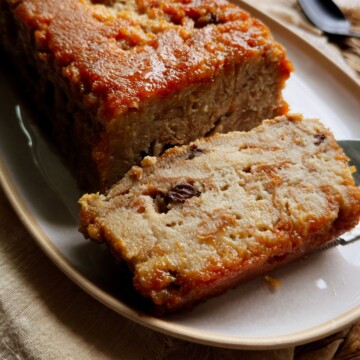
This vegan Cuban pudín de pan is what happens when stale bread meets a pan full of dark caramel. It's soaked in coconut condensed milk, spiked with dark rum and lime zest, baked in a water bath, chilled until the caramel soaks back into the bread, then flipped so the bottom comes out on top. It takes about 20 minutes plus cooling and tastes like a Cuban Christmas Eve.
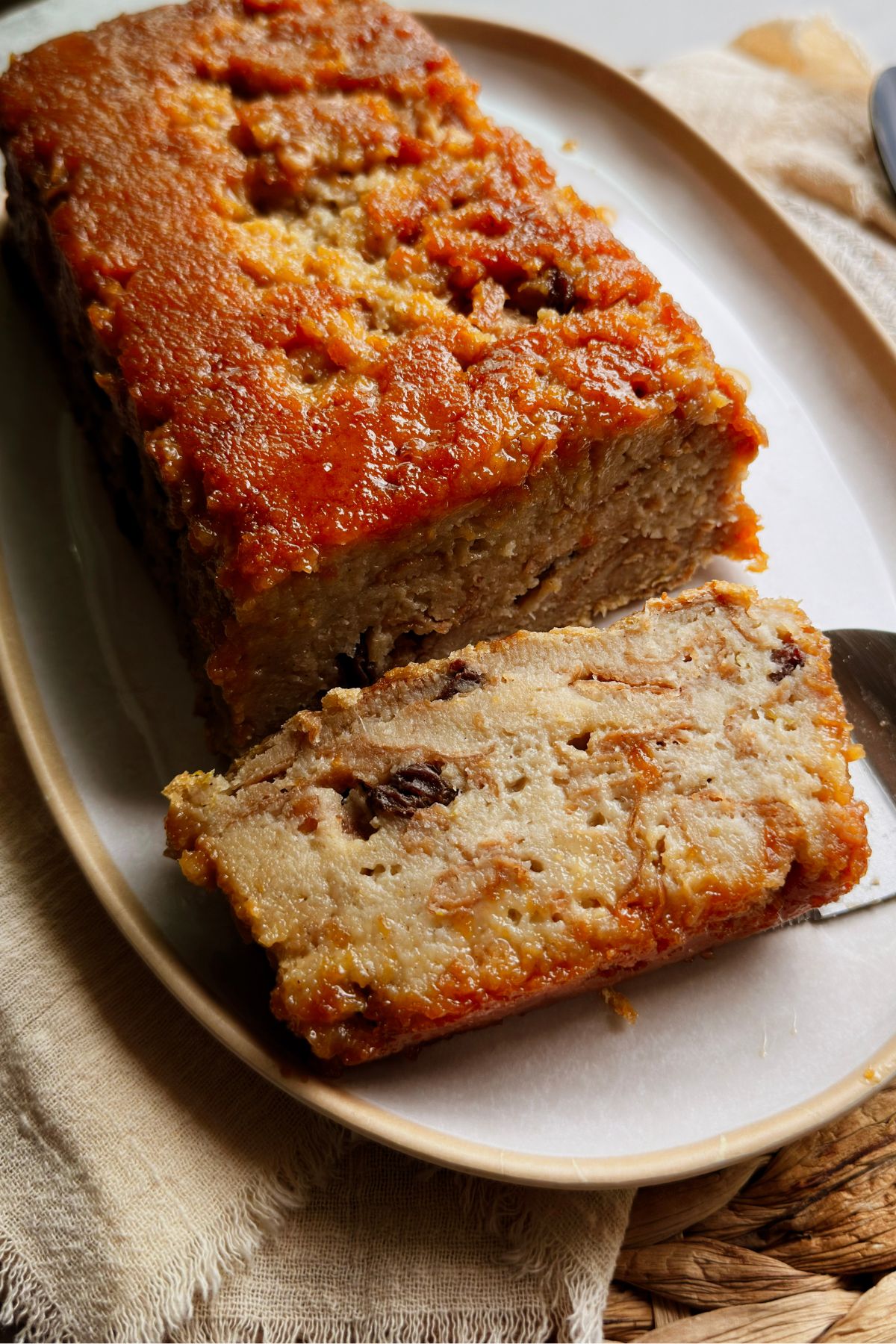
Every Cuban household has a pudín de pan recipe.
It's the dessert you make when there's a loaf of bread going stale on the counter - humble ingredients, very little effort, and something genuinely worth bringing to a gathering.
I wasn't a fan as a kid, and the raisins were entirely to blame. But somewhere along the way I came around, and now I wouldn't make it without a handful of rum-soaked raisins folded in.
What I love most about this recipe is that it stays true to the original in the ways that matter. The texture is still dense and custardy, the caramel top still turns sticky and sinks into the bread as it sets, and the flavor is warm vanilla, cinnamon, and citrus. Nobody at the table will guess it has no eggs or milk.
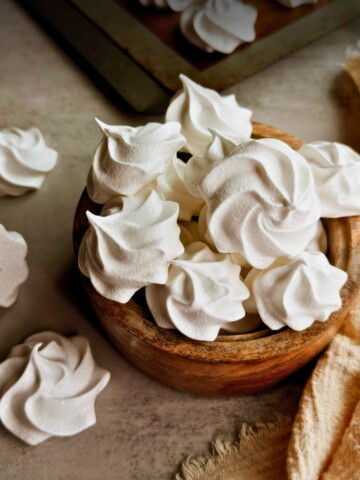
If you like Cuban desserts, this belongs next to my Boniatillo Con Coco, Vegan Crema de Vie (Cuban Eggnog), and Cuban Suspiros (Meringue Cookies).
Jump to:
What Is Cuban Pudín de Pan?
Pudín de pan is Cuba's bread pudding, and it's closer to my vegan flan than to the American version.
Traditional pudín de pan leans on eggs for that dense, sliceable custard, and this vegan version does exactly the same thing - just with coconut condensed milk and cornstarch instead. No eggs, no complicated substitutes. Just the same thrifty, satisfying flavor the recipe has always had.
You line the mold with caramelized sugar, pour in a bread-and-milk custard, bake it in a baño María (water bath), then chill it and invert it so the caramel sinks in and becomes the sauce.
Why You'll Love This Recipe
- It uses up stale bread - So there is no waste!
- No eggs, no dairy, no egg replacer - Cornstarch and coconut condensed milk do all the setting work.
- You can make it a day ahead - It's actually better the longer it chills, so this is the rare dessert you want to make in advance.
- Uses pantry ingredients - Bread, sugar, plant milk, cornstarch, raisins. Nothing exotic.
- A real Cuban classic - This is the dessert that shows up on the table at Noche Buena, birthdays, and Sunday lunch.
Shopping List
This is a thrifty recipe by design - stale bread is the point. Here's what each ingredient does and what you can substitute.
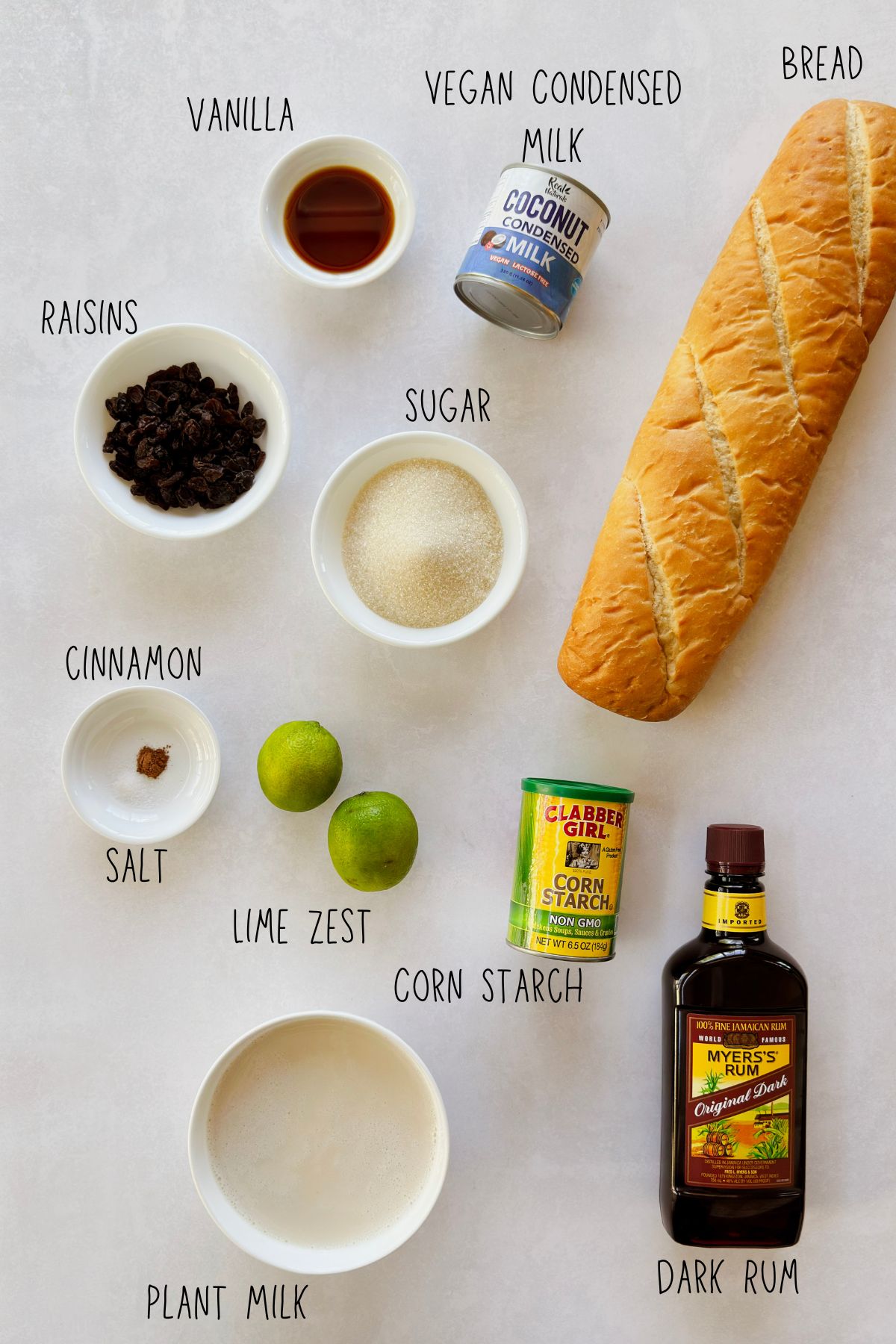
See the printable recipe card for quantities and a full list of ingredients.
Stale bread - Use what you have. Cuban bread, a soft French or Italian loaf, or plain sandwich bread all work. The one pictured is a soft French bread loaf.
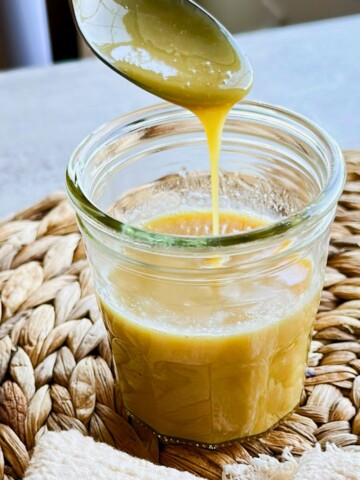
Use my homemade sweetened condensed coconut milk recipe. You can also use store-bought sweetened condensed oat milk. Most major grocery stores sell the coconut condensed milk, but you can find the condensed oat milk at Whole Foods. I like the coconut in this recipe because it adds a light coconut note that works beautifully alongside rum and lime. Oat-based condensed milk is more neutral if you'd rather it disappear.
Dark rum - Use something you'd actually drink. A Cuban-style añejo or any dark aged rum is good. If you'd rather leave it out entirely, soak the raisins in warm water and skip the tablespoon in the custard. Nothing else changes.
Raisins - Traditional and these days, it's non-negotiable in my house. Soaking them in the rum first keeps them from pulling moisture out of the custard as it bakes. Dried cranberries or chopped dates work if raisins aren't your thing.
Limes - Zest only, no juice. Lime is the most Cuban choice here. Lemon is a fine substitute, and orange makes it gentler and more holiday-tasting.
Cornstarch - This is the setter, standing in for the eggs. Whisk it into the cold liquid until there are no lumps before it goes anywhere near the bread.
Granulated sugar - Only for the caramel. There's no added sugar in the custard itself. Use organic sugar to keep it vegan.
Whenever I'm not sure about a bottle of liquor's vegan status, I check it on Barnivore. It's a community-run database of beer, wine, and liquor that's been logging vegan status since 2008, mostly by emailing companies directly and posting what they say back.
Make It Your Own
- Coconut - Fold in a half cup of shredded coconut to lean into the coconut flavor.
- Toasted almonds - Fold in a handful with the raisins for a little crunch.
- Individual servings - Divide between ramekins or small aluminum loaf pans, and cut the bake time to about 35 minutes.
How to Make Cuban Pudín de Pan
The steps are simple and come together in about 20 minutes. The rest is chilling.
See the complete printable recipe card below for the details.
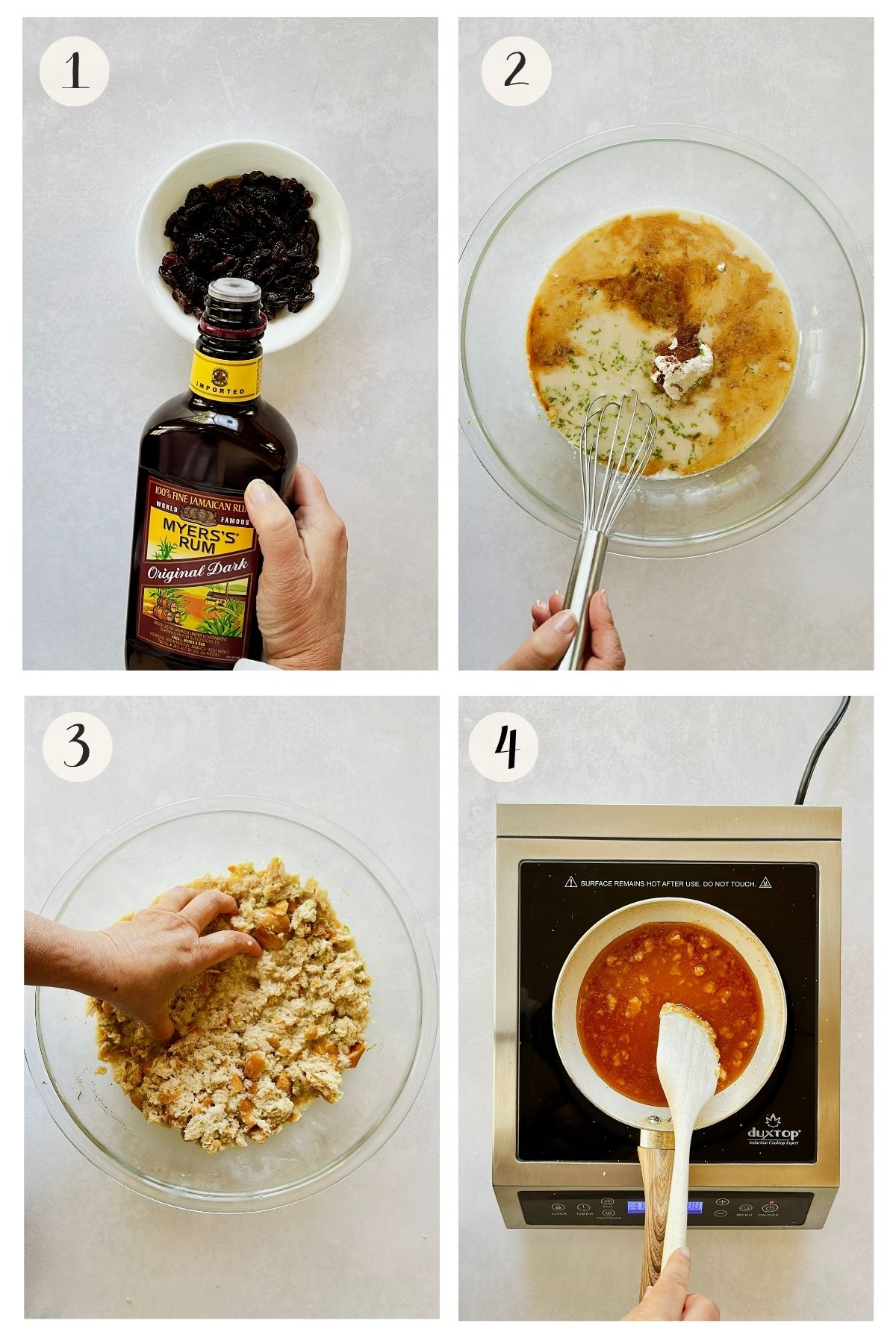
Step 1: Soak the raisins - Cover the raisins with dark rum. Let them sit while you do everything else. Don't drain them.
Step 2: Whisk the custard - Combine the coconut condensed milk, plant milk, cornstarch, rum, vanilla, lime zest, cinnamon, and salt. Whisk until there are no lumps at all.
Step 3: Soak the bread - Pour the custard over the cubed bread and press everything down so it's submerged. Let it soak for 20 minutes to fully saturate.
Step 4: Make the caramel - Melt the sugar in a dry saucepan over medium heat
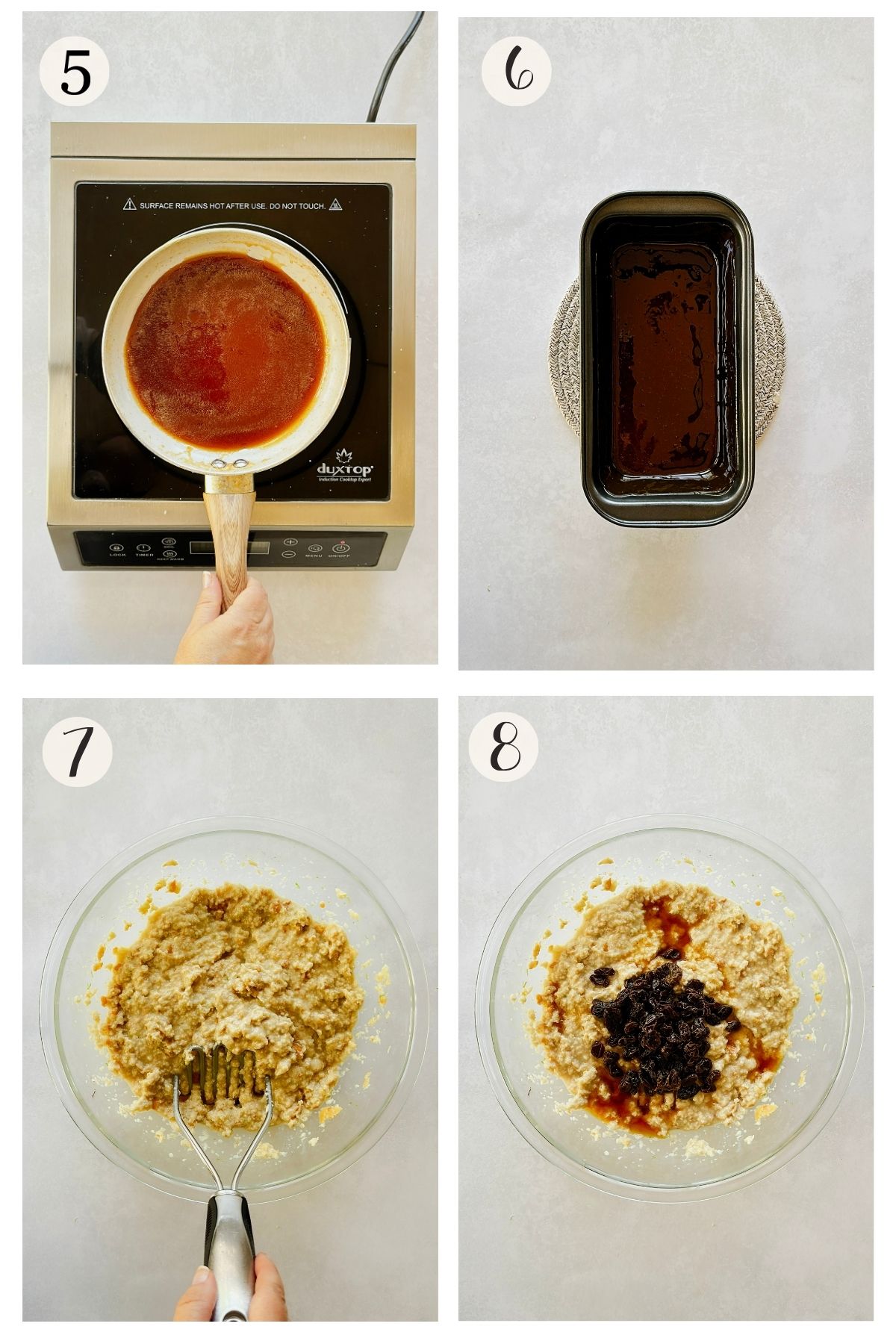
Step 5: Cook until amber - Cook the sugar until it reaches a deep amber color, keeping a close eye on it the entire time. Pull it off the heat as soon as it hits that deep amber color, just before any smoke appears.
Step 6: Coat the pan. Immediately pour the caramel into the 9x5-inch metal loaf pan and tilt to coat the bottom and as much of the sides as you can before it hardens.
Step 7: Mash the mixture. Using a potato masher or fork, mash the soaked bread and custard mixture until fully combined with no large chunks remaining.
Step 8: Fold in the raisins. Gently fold the raisins into the mixture until evenly distributed throughout.
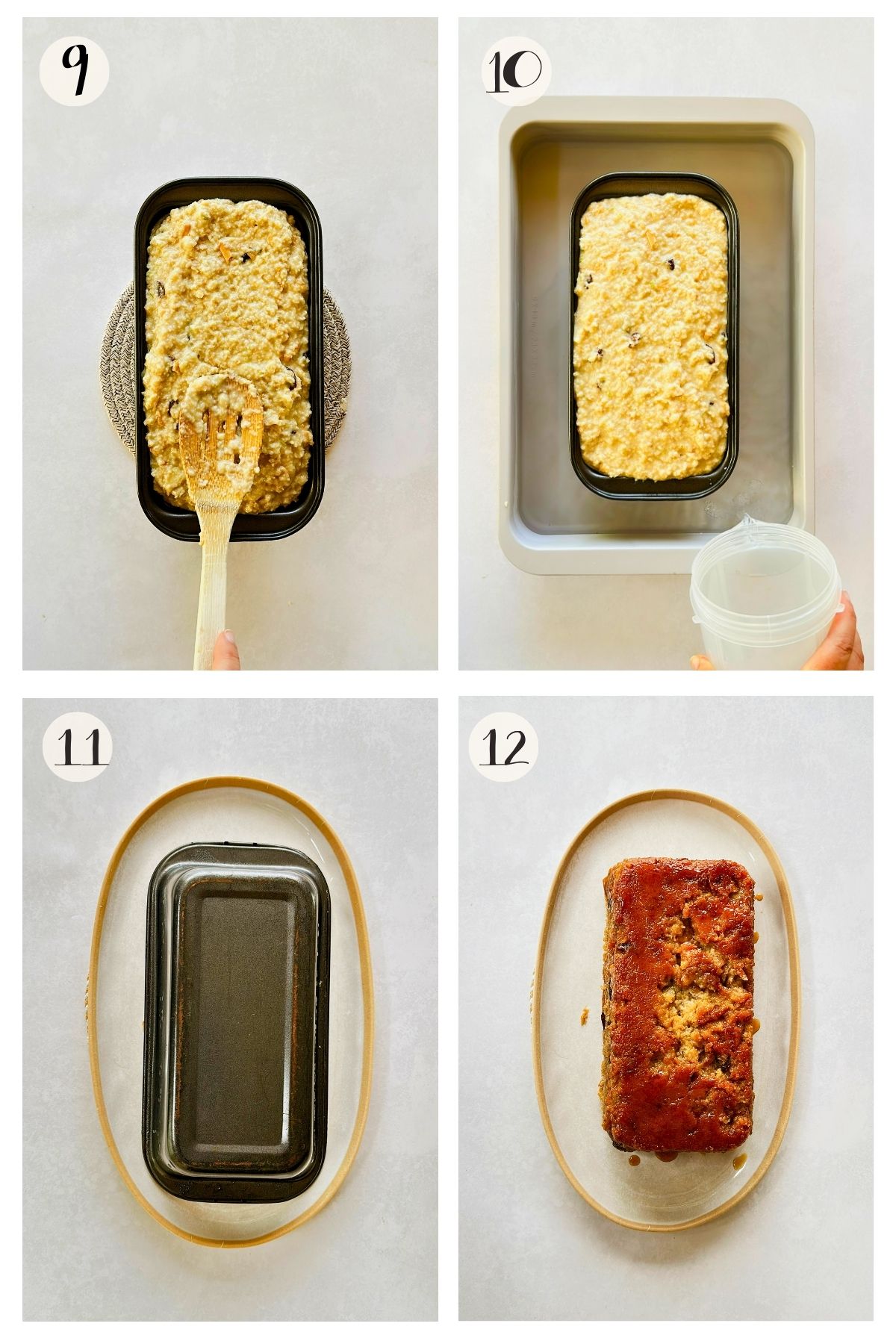
Step 9: Fill the pan. Spoon the custard mixture into the pan with the hardened caramel and smooth the top with a spoon. I like to give the pan a few firm taps on the counter to settle the mixture.
Step 10: Bake in a baño María (water bath). Place the loaf pan inside a larger roasting pan and add hot water until it reaches halfway up the sides of the loaf pan. Carefully transfer to the oven and bake at 350°F (175°C) for about an hour, until the top is set and a knife inserted in the center comes out clean.
Step 11: Cool & Unmold. Refrigerate for at least 4 hours. To unmold the pudin de pan successfully without ripping the top, add hot water to a large pan or your sink and set the loaf pan in it for 1 to 2 minutes to loosen the caramel. Run a thin knife or spatula around the edges, place a serving plate firmly on top, and flip in one confident motion.
Step 12: Slice and serve.
Tips For Success
- Take the caramel darker than feels comfortable - Pale caramel is just sweet. Deep amber, right before it smokes, is where the flavor is.
- Use a metal pan for the caramel - Molten sugar is extremely hot, and glass or ceramic can crack. A metal loaf pan or round cake pan is safest.
- Warm the pan before you flip it - Set it in an inch of hot water for a couple of minutes, until the caramel loosens at the edges. Inverting cold is the number one reason the top tears off and stays in the pan.
- A firmer bottom is normal - that surface faced up in the oven and browned. It gives the slices structure. Tent with foil for the last 15 minutes if you want it softer.
Serving Suggestions
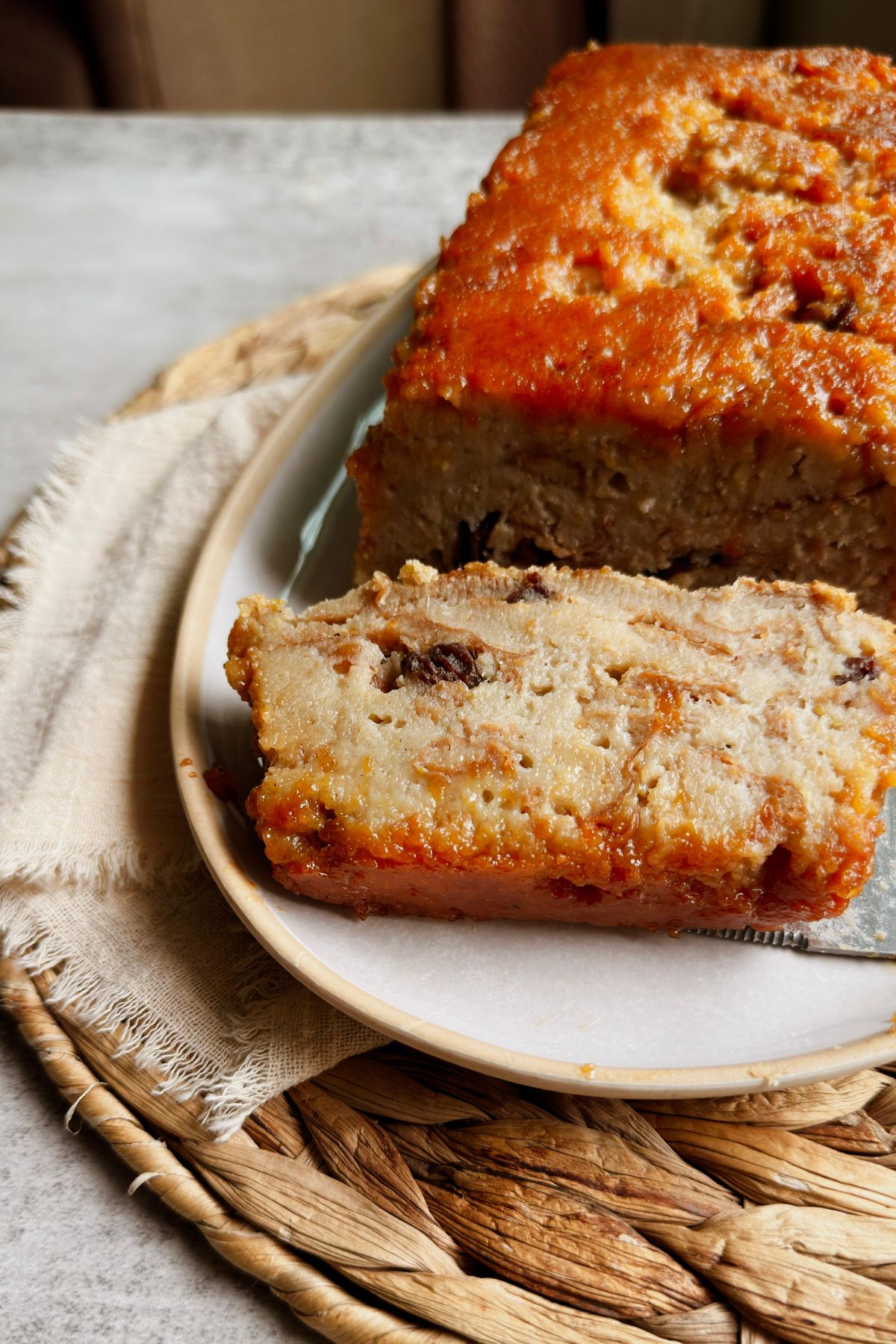
- A Cuban coffee is the classic pairing.
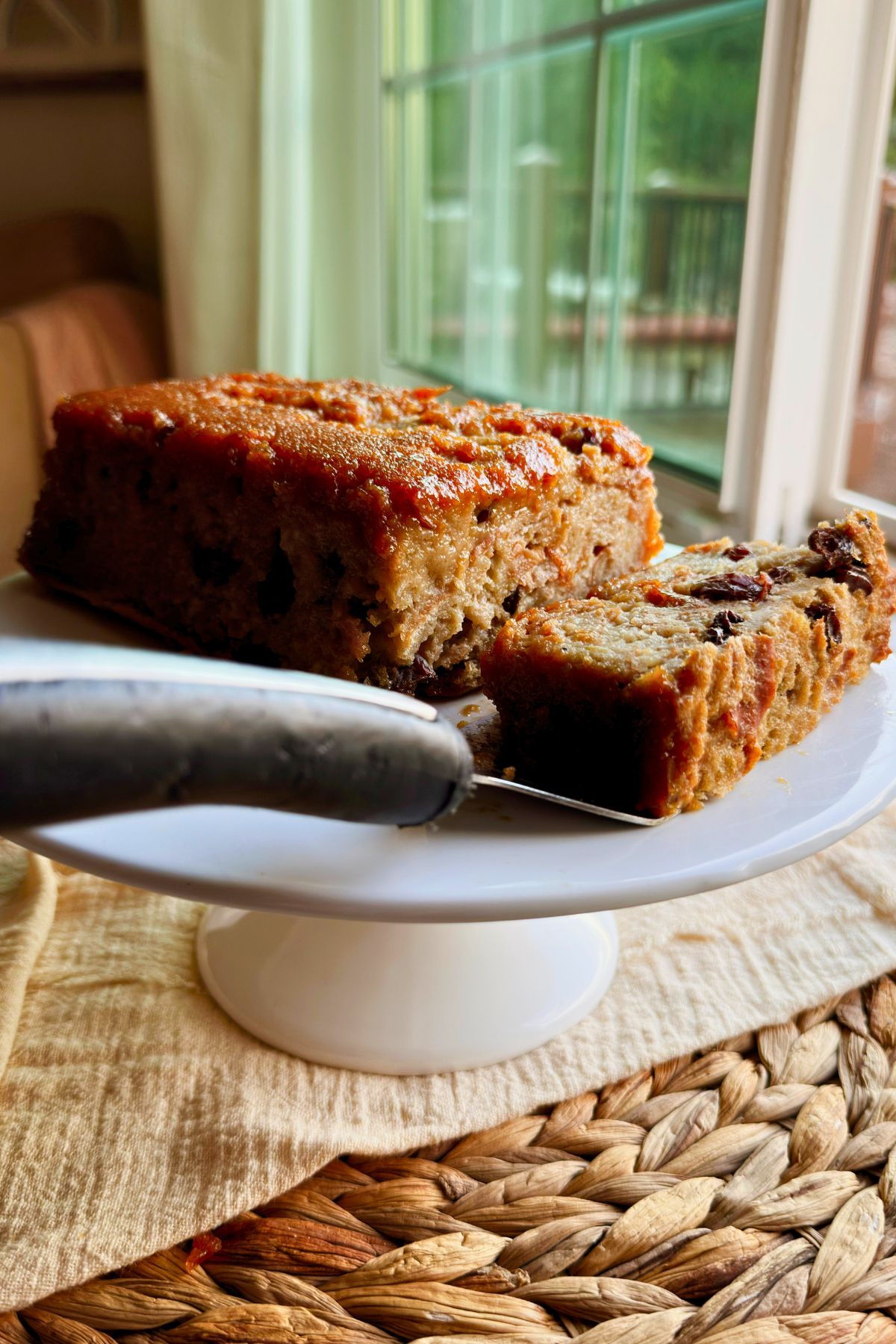
- Most Cubans eat it cold, straight from the fridge. The texture is firmer, and the caramel is glossy.
- On a Noche Buena (Christmas Eve) dessert table, set it out with Cuban Suspiros and Boniatillo Seco.
- After a Cuban dinner - serve it following Vegan Arroz con Pollo, Vegan Picadillo with black beans and sweet plantains.
How to Store Cuban Pudín de Pan
Keep pudín de pan covered in the refrigerator for up to 4 days. Store it in the pan and unmold when you're ready to serve, or unmold first and cover the plate tightly.
For individual slices, wrap them tightly with plastic wrap.
You can freeze it for up to 2 months. I use these small aluminum loaf pans to store smaller loaves and defrost overnight. They are also great for gifts.
I don't recommend leaving it at room temperature for more than a couple of hours - it's a custard, and it softens quickly.
Cuban Pudín de Pan FAQS
They are the same dish just spelled differently depending on where you are. Pudín de pan is the Cuban and Caribbean spelling. Budín de pan is the spelling you'll see more commonly in Mexico, Argentina, and much of Latin America. The recipes vary by region and by family, but the name difference is linguistic and geographic, not a signal that you're looking at a different dessert.
Yes. The rum is purely for flavor, so the texture and set don't change. Soak the raisins in plain warm water and leave the tablespoon of rum out of the custard. The pudding will be a little less complex either way, but still very good.
Traditional Cuban pudín de pan is made with soft white bread - the kind with a thin, tender crust rather than a thick, chewy one. Cuban bread is the obvious choice if you can find it, but a soft Italian or French sandwich loaf works well. Avoid sourdough, artisan boules, or anything with a thick, hard crust if you can since the crust pieces take longer to soften and can leave tough bits in the finished pudín if you don't break it down properly - not the end of the world, but worth mentioning.
The caramel was still cold and hard, and it was bonded to the metal. Set the pan in an inch of hot water for about a couple of minutes before inverting - you should see the caramel loosen around the edges.
More Vegan Dessert Recipes

Drop a comment and tell me how this vegan version of Cuban pudín de pan turned out! Was it love at first bite, surprisingly edible, or a full-on yuck? And if my directions helped (or didn't), please let me know so I can keep improving these recipes for you. Follow me on Pinterest, Instagram, Facebook, and YouTube for vegan inspiration.
Recipe Card
Vegan Cuban Pudín de Pan (Bread Pudding)

Equipment
- Larger roasting pan for the water bath
Ingredients
- ½ cup raisins
- 3 tablespoons dark rum for soaking the raisins*
- 1 can sweetened condensed coconut milk Cans run about 11 to 11.6 oz, depending on the brand. Use the whole can, whichever you find; the small difference won't affect the set. You can also use sweetened condensed oat milk.
- 2 cups unsweetened plant milk oat or soy
- 3 tablespoons cornstarch
- 1 tablespoon dark rum optional, for the custard
- 1 tablespoon vanilla extract
- 2 limes zest only
- ¼ teaspoon ground cinnamon
- ⅛ teaspoon fine salt
- 14 ounces stale soft white bread 400 g, torn or cubed, about 8 cups; Cuban, soft French, or Italian loaf. Avoid sourdough or anything with a thick, hard crust.
- ½ to ¾ cup granulated sugar 100 - 150 g, for the caramel

Instructions
- Soak the raisins: Combine the raisins and 3 tablespoons of dark rum in a small bowl. Set aside.
- Whisk the custard: In a large bowl, whisk together the condensed milk, plant milk, cornstarch, dark rum, vanilla, lime zest, cinnamon, and salt. Keep whisking until the cornstarch dissolves and no lumps remain.
- Soak the bread: Add the bread chunks to the bowl. Press down so every piece is submerged. Let it soak for about 20 minutes, until the bread is fully saturated and soft throughout.
- Preheat the oven: While the bread soaks, position an oven rack in the middle and preheat to 350°F (175°C).
- Make the caramel: While the bread soaks, heat the granulated sugar in a dry saucepan over medium heat. Stir it around until it melts and turns deep amber. Immediately pour into a 9x5-inch metal loaf pan and tilt to coat the bottom and as much of the sides as you can without burning yourself. Set aside as it hardens into a glassy sheet - about 10 minutes. As it hardens, you'll hear crackling. That's the sound of the sugar setting against the metal pan and means everything is going as it should.
- Mash the soaked bread: After the 20-minute soak, mash with a potato masher or fork until no large chunks remain and the bread is mostly broken down - you're looking for a rough, porridge-like consistency.
- Fold in the raisins: Fold in the rum-soaked raisins along with any rum left in the bowl.
- Fill the pan: Pour the custard mixture over the hardened caramel and smooth the top with a spoon. I like to give the pan a few firm taps on the counter to settle the mixture.
- Set up the baño María (water bath): Place the loaf pan inside a larger roasting pan. Pour hot water into the roasting pan until it comes about halfway up the sides of the loaf pan, taking care not to splash any into the custard. Carefully transfer the whole setup to the middle rack of the preheated oven.
- Bake: Bake for about 1 hour or until the top is set and the edges pull away from the sides of the pan. A knife inserted in the center should come out clean.
- Chill: Remove the pan from the water bath as soon as it comes out of the oven. Cool completely at room temperature, then refrigerate for at least 4 hours.
- Unmold: When you remove the pan from the fridge, let the pan in an inch of HOT tap water for about a minute or two. Run a thin knife around the sides, set a rimmed plate on top, and invert in one confident motion. Don't invert straight from the fridge - a cold caramel layer is still bonded to the pan and will tear the surface of the pudding.
- Serve: Slice and pour any caramel sauce that has collected in the pan over the top of the pudin de pan. You can heat it a little over the stove until it melts if necessary. This is a modest, homey dessert that needs no embellishment, but if you want to dress it up, a dollop of coconut whipped cream alongside is lovely, or a very light dusting of cinnamon.

Regi Pearce says
A family favorite! This easy homemade pudding is creamy, comforting, and the perfect simple dessert. It’s a delicious, family-friendly treat that’s easy to make and always a hit in our house. Hope you guys love it.