

Bijol Latin Seasoning, a vibrant yellow seasoning derived from annatto seeds, has become a cornerstone in many global cuisines. While its primary use comes from its coloring ability, it does have a mild earthy taste. You'll find everything about bijol and an easy-to-make homemade recipe here.

For more delicious seasoning blends to use in your plant-based recipes, check out All Purpose Adobo Seasoning Recipe, Italian Seasoning Substitute, Homemade Taco Seasoning, or Creole Seasoning Recipe. Explore more variety at 20 Seasoning Blends.
Jump to:
What Is Bijol Seasoning?
Bijol is a unique Cuban seasoning that adds a rich, mild earthy flavor to dishes and a golden yellow color that can make a plate pop.
Imagine enjoying a traditional Cuban home-style Latin cuisine, and you notice a subtle hint of something that adds an extra layer of depth to the dish. That's the magic of bijol.
But wait, there's more to bijol than just its Cuban roots. Spanish, Mexican, Puerto Rican, Caribbean, and other Latin American cuisines also use bijol seasoning.
Because it doesn't have a strong flavor, bijol can be added to dishes without altering their taste significantly. This is great if you want the color without introducing a new flavor profile.
Some consider bijol a budget-friendly alternative to saffron, especially regarding color. While it doesn't have the same unique taste as saffron, it brings its own lightly earthy and slightly nutty flavor that can enhance various dishes.
What Is Bijol Made Of?
Annatto seeds make up bijol, giving it a distinctive bright yellow-orange hue. It's the perfect way to add authentic flavor and appealing color to rice, soups, and stews without resorting to artificial dyes.
Bijol vs. Sazón: What's the Difference?
Both show up constantly in Cuban and Latin cooking, and they're easy to mix up - but they do different jobs.
Bijol is primarily a colorant. It gives your rice, soups, and stews that golden hue with a mild, earthy background flavor.
Sazón (like Goya's) is a full seasoning blend - it contains annatto for color, but also coriander, cumin, garlic, oregano, and salt. It's seasoning your dish, not just coloring it.
A lot of Cuban recipes use both: bijol for color, sazón for flavor. If you only have one, bijol gives you the color without the salt load, while sazón gives you more seasoning punch.
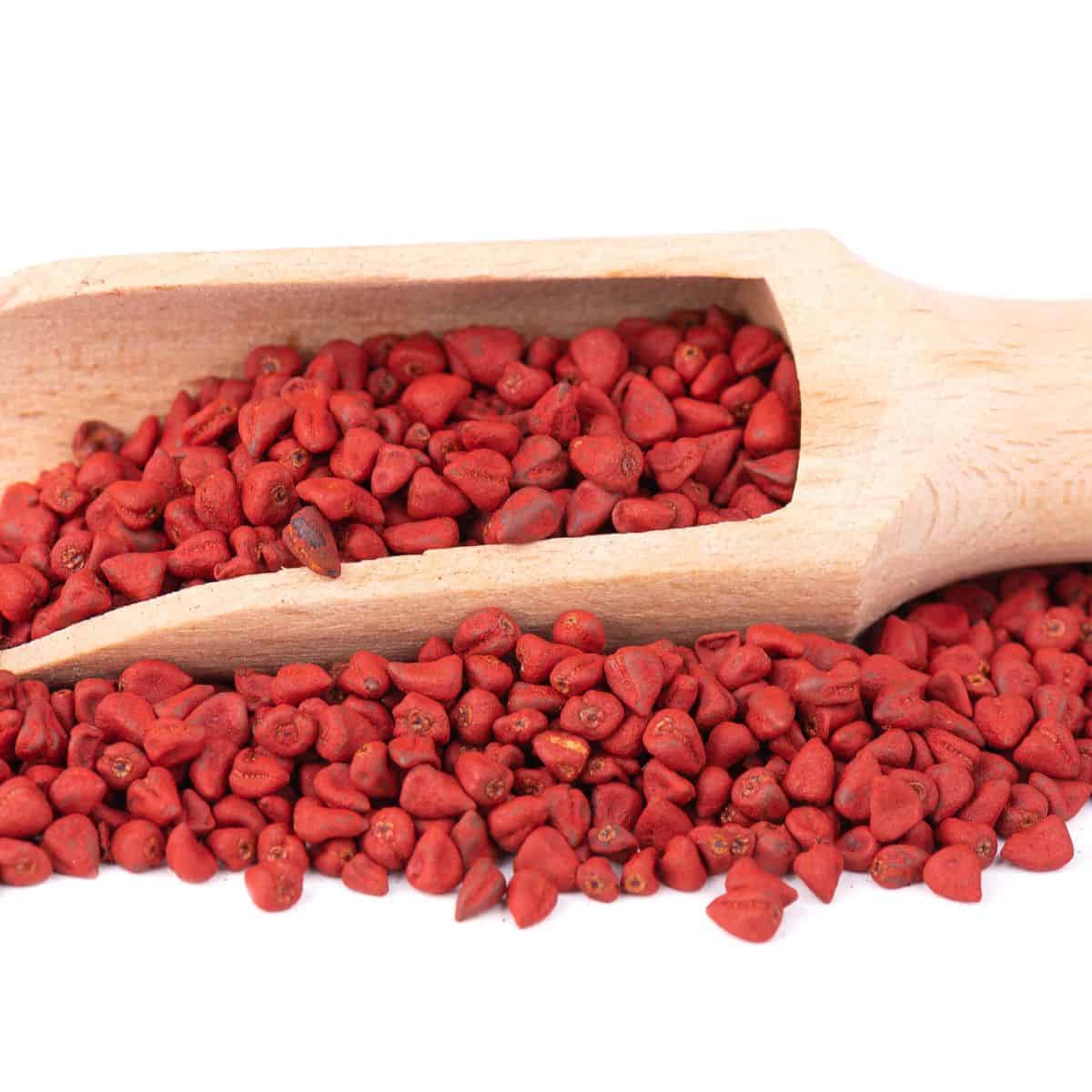
The Origin of Bijol Condiment
Bijol's roots run deep, back to the indigenous cultures of Latin America. The annatto seeds, central to bijol, were used by the native peoples for various purposes, including cooking, dyeing fabrics, and even body paint.
With the fusion of Spanish and indigenous culinary traditions, bijol became a staple in Cuban, Mexican, and other Latin American cuisines.
During the Spanish colonization of the Americas, the Spanish discovered annatto. They started using it as a substitute for saffron, an expensive and rare spice in Europe at the time. This is one of the reasons why bijol is sometimes referred to as "poor man's saffron."
Today, bijol can be found in many supermarkets, particularly in areas with significant Cuban or Latin American populations. It is either sold as a powder or as a small cake that can be dissolved in liquids. You can find it under the brand name "Bijol," packaged in iconic little tin cans.
How To Use Bijol

Using bijol is like painting with flavors. Here's how you can get started:
Marinades: Mix it with spices and herbs to create a unique marinade for meats and veggies.
Vegan Paella and Rice Dishes - Bijol is an excellent way to infuse color and a touch of earthiness into vegan paellas or other rice-based dishes. Just sprinkle it into the water as it boils, and voilà! Your rice will look and taste amazing! Try it in this yellow rice.
Stir-Fries and Veggie Sautés - Sprinkle some bijol over your stir-fried or sautéed veggies. Whether bell peppers, broccoli, or zucchini, the seasoning will add a delightful twist. Pair it with soy sauce or tamari with a mouthwatering dish.
Hearty Vegan Soups and Stews - Want a rich depth to your broths? Add bijol seasoning to a vegan broth with beans, lentils, and root vegetables. It's a fantastic way to give a comforting bowl of soup a unique and tasty twist.
Tofu and Tempeh Marinades - Mix bijol with other spices like cumin, garlic powder, and a splash of lime juice to create a vibrant marinade for tofu or tempeh. The color and flavor will seep in, creating a delightful taste sensation.
Homemade Vegan Cheese - If you're into making vegan cheese (from nuts or seeds), bijol can add color to your cheese spreads or sauces, mimicking the hue of cheddar, for example.
Creative Salad Dressings - A sprinkle of bijol in a salad dressing can turn a simple vinaigrette into a conversation starter. Imagine a bright yellow dressing with a hint of earthy flavor. It's an unexpected but welcome touch to any salad.
Experiment: Really, there are no strict rules! Feel free to play around with this seasoning in different dishes.
How to Make Homemade Bijol Seasoning
This simple recipe has a few easy-to-find ingredients if you want a homemade version.
- annatto seeds
- ground cumin
- coriander
- garlic powder
- dried oregano
- chili powder
- salt
See the recipe card for quantities. You can adjust these quantities and ingredients for your preferences and even include other spices you love.
Making bijol at home is easy.
To get the flavors going, toast your annatto seeds and cumin in a dry pan for a few minutes. Mix them in a bowl with coriander, garlic powder, dried oregano, chili powder, and salt. If you like it finer, give it a quick grind. Now, give it a taste and tweak it how you like. Want it spicier? Add more chili. Need it earthier? A bit more cumin should do it. Easy peasy!
Bijol Condiment in World Cuisines
Cuban Cuisine
Bijol is often used in Cuban cooking to color rice dishes, especially Arroz con Pollo (Chicken with Rice). It's also a key ingredient in some marinades and stews, adding an earthy undertone. Try it in this Simple Instant Pot Yellow Rice.
Mexican Cuisine
Bijol also finds its way into Mexican recipes, particularly in the Yucatan Peninsula, where it's known as "Achiote." It's used in marinades for traditional dishes like Cochinita Pibil, a slow-roasted pork dish.
Spanish Cuisine
Spain, with its love for colorful paellas, has embraced bijol as a more affordable alternative to saffron. It imparts a similar yellow hue to the rice without overwhelming the other flavors.
Filipino Cuisine
The influence of bijol has even reached the Philippines, where it's used in dishes like Kare-Kare, an oxtail stew made vibrant with the addition of bijol.
Caribbean Dishes
Across the Caribbean islands, bijol can be found in various fish and seafood stews, adding color and flavor. It complements the rich, tropical ingredients typical of the region.
Vegan and Vegetarian Cuisine Globally
Bijol's plant-based nature makes it popular among vegan and vegetarian cooks worldwide. It's versatile, from adding color to High Protein Tofu Scramble to spicing up plant-based stews.
Fusion Dishes
In contemporary culinary practices, bijol is often used in fusion dishes, blending culinary traditions. Whether it's a bijou-infused risotto or a uniquely spiced curry, professional chefs use bijol to create new flavor experiences.
Top tips
Use your homemade bijol just as you would the store-bought version.
Bijol has a robust flavor and intense color. It's best to start with a small amount and add more as needed.
Bijol's strong neon pigment can stain utensils, countertops, or your hands. Use caution during preparation, and consider wearing gloves or utensils that won't absorb the color.
How to Use Bijol
A little goes a long way.
Start with ¼ teaspoon and adjust from there - you're mostly adding color, not flavor.
The classic use is to stir it into the water before cooking rice, which gives you that golden-yellow Cuban-style rice without any artificial dye.
Beyond rice, it works in soups, stews, marinades, and paella. You can also dissolve it directly in liquid to ensure even distribution. It doesn't need to be bloomed in oil the way some spices do, though that can deepen the color slightly if you want a richer result.
Recipe FAQS
If you don't want to make it homemade, you can usually find it in Latin American grocery stores or the international aisle of larger supermarkets. Online platforms like Amazon should also have it available.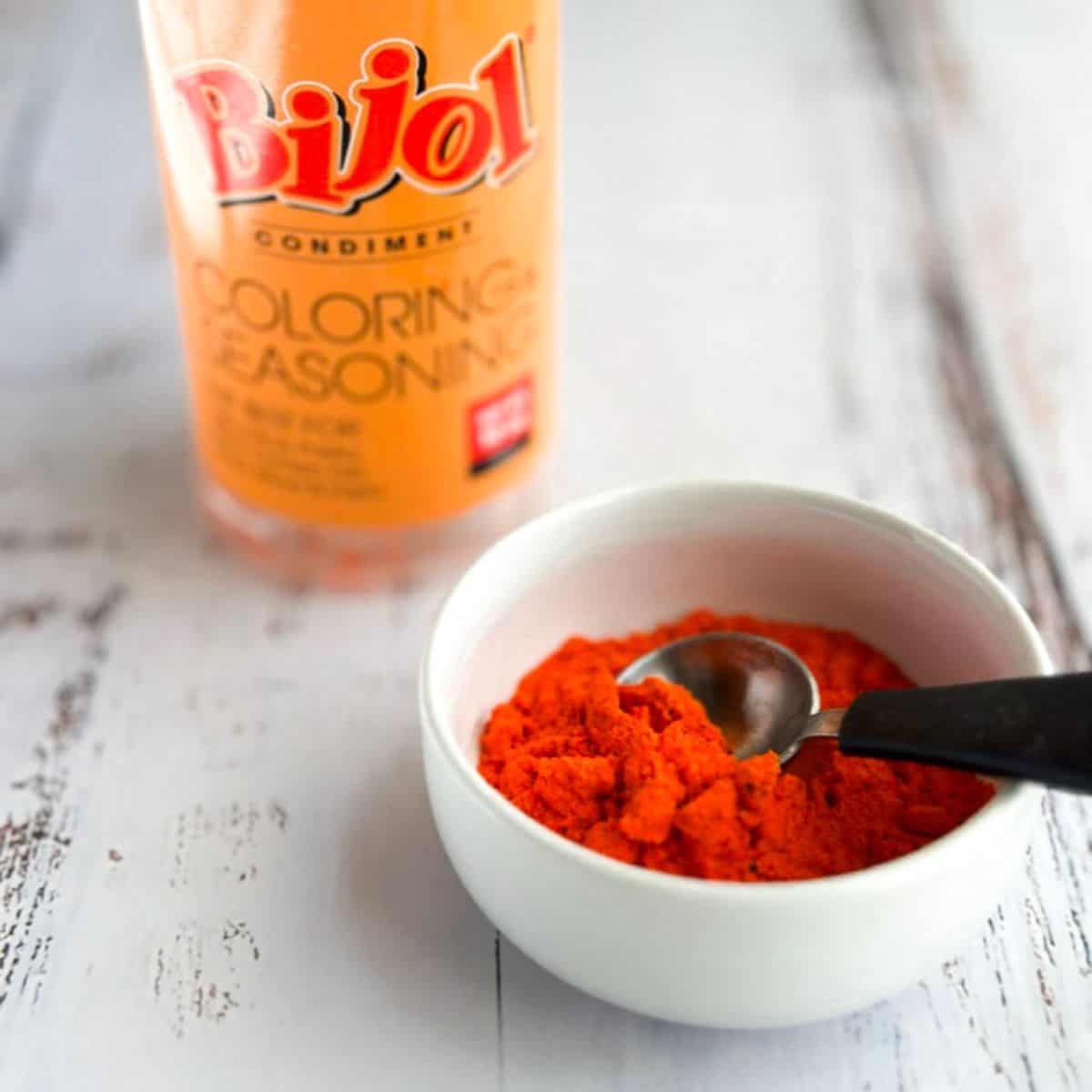
If you're in a pinch, turmeric is a common substitute for Bijol, providing a similar yellow hue but a slightly different flavor profile. Another option might be a combination of paprika and saffron, but remember that saffron can be pricey.
Recipe Card

Bijol Latin Seasoning Condiment

Equipment
Ingredients
- 2 tablespoons ground annatto seeds
- 1 tablespoon ground cumin
- 1 tablespoon coriander
- 1 teaspoon garlic powder
- 1 teaspoon dried oregano
- pinch chili powder optional, for heat
- salt to taste

Instructions
- Toast the Spices: In a dry pan, lightly toast the ground annatto seeds and cumin over low heat for about 1-2 minutes. This helps release their natural oils and enhance their flavors. Be sure to stir continuously to prevent burning.
- Mix the Ingredients: In a bowl, combine the toasted spices with the coridander, garlic powder, dried oregano, chili powder (if using), and salt.
- Grind If Needed: If you prefer a finer texture, you can grind the mixture further using a spice grinder or a mortar and pestle.
- Taste the blend and adjust the flavors: Want it spicier? Add more chili. Need more earthiness? A bit more cumin might do the trick.
- Store Properly: Transfer your homemade Bijol seasoning to an airtight container, and store it in a cool, dry place. It should keep its flavor for up to six months.
Simon says
way easier to use than the color suggest!