

Going vegan is becoming increasingly popular as people learn about the benefits of a meat-free diet.
However, switching to a vegan diet can sometimes be overwhelming, and many people make mistakes that can cause their journey to be less enjoyable and revert to old habits.
Here are 6 common pitfalls of a vegan diet and what can be done to avoid them.
1. Relying Too Much on Processed Foods
Relying too much on processed foods can be a common pitfall for those transitioning to a vegan diet. These days, many traditional junk foods have been reimagined as vegan alternatives, leading some to rely heavily on highly processed options like fake meats, vegan cheeses, and other packaged products.
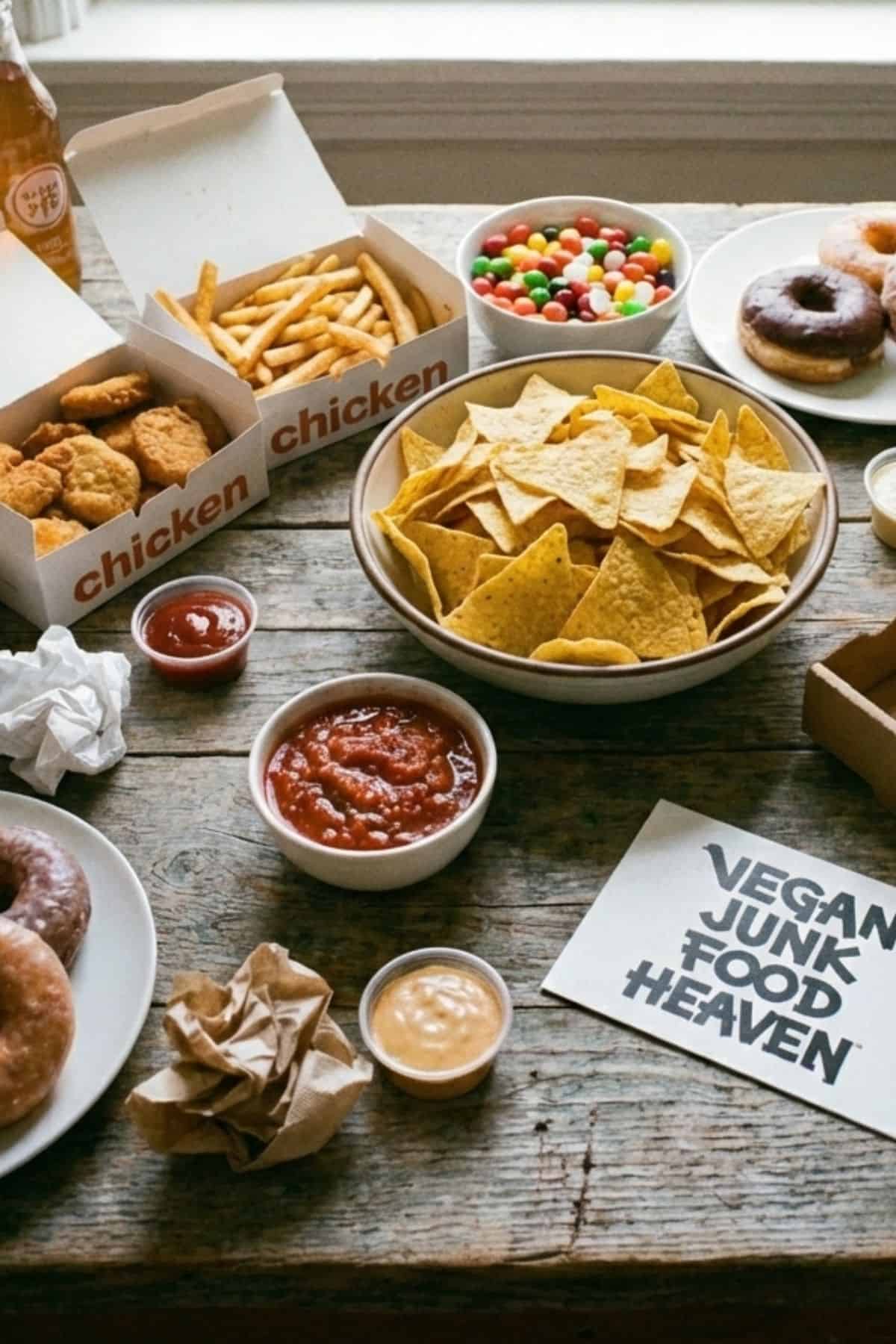
While these foods can be convenient and tasty, they are often high in calories, unhealthy fats, and sodium. They do not provide the same nutrient density as whole plant-based foods. Consuming a diet high in processed foods may increase the risk of various health issues, including weight gain, heart disease, and type 2 diabetes.
Furthermore, being overly reliant on processed foods can present hurdles in maintaining a sustainable plant-based diet in the long run because of the cost. It's expensive when you buy it from the supermarket and venture out for a bite.
Instead, focus on incorporating a variety of whole plant-based foods such as fruits, vegetables, legumes, whole grains, nuts, and seeds. These foods provide a wide range of nutrients, are generally lower in calories, and are more sustainable and budget-friendly than heavily processed options.
It's okay to enjoy processed plant-based foods in moderation, but they should not be the mainstay of your diet.
2. Being Afraid of Volume
*This advice applies specifically to whole-food, plant-based vegan diets-not processed vegan junk food. Many processed vegan options are calorie-dense and can lead to overeating, potentially resulting in weight gain. The same goes for high-calorie plant foods like nuts, nut butter, and avocados, to name a few. Think of these as energy-packed treats to enjoy occasionally, not as staples in every meal.
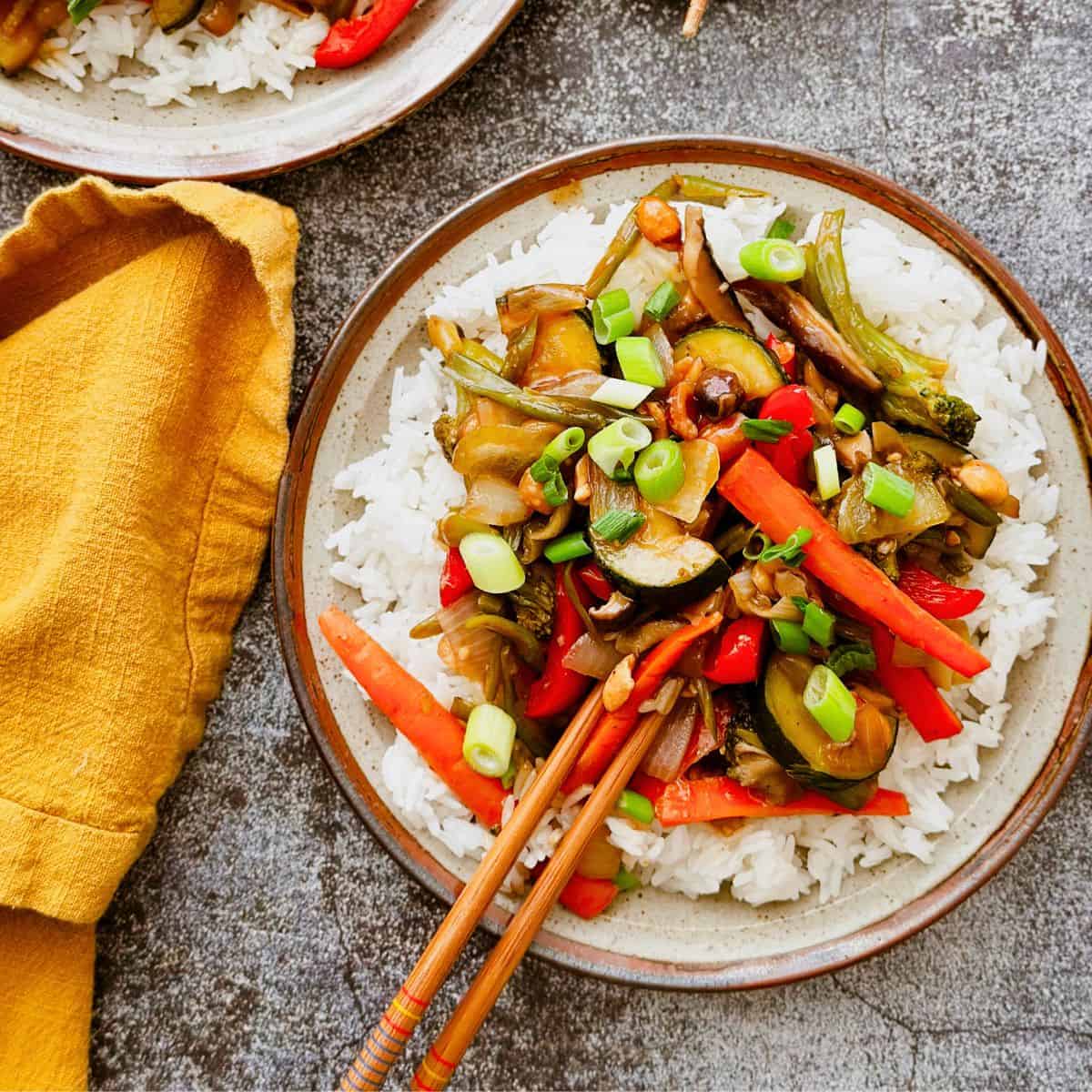
When transitioning to a whole-food, plant-based diet, many people mistakenly fear eating larger portions. If you're used to meat and processed foods, you might assume you need to restrict your portion sizes to avoid overconsuming calories. But this mindset can actually work against you.
Most whole plant foods are naturally low in calories, so the volume needed to meet your energy requirements may be higher than you're accustomed to. A plate that looks as full as your pre-vegan meals might not provide enough calories, leaving you undernourished.
Restricting portions unnecessarily can lead to feelings of deprivation, stronger cravings for calorie-dense, animal-based, or processed foods, and ultimately undermine your health. This is a common reason some people struggle to maintain a vegan, plant-based lifestyle.
The key is to embrace the variety and abundance of whole-plant foods like fruits and veggies, but be mindful of the calorie-rich plant foods like nuts, seeds, and some grains. Eat until satisfied, rather than limiting yourself by outdated portion expectations. By doing so, you can enjoy satisfying, nutrient-rich meals that support your health and energy needs.
Don't stop filling your plate with colorful fruits and vegetables, incorporating fiber-rich legumes and whole grains, and snacking on healthy plant-based options throughout the day. This approach not only ensures you're meeting your caloric needs but also makes your meals enjoyable and sustainable in the long run.

3. Not Planning Meals in Advance
Poor planning of your meals can lead to a reliance on unhealthy convenience foods and potentially falling back into old, animal-eating habits.
Just like in an omnivore diet, planning meals allows you to create a balanced and diverse diet that meets your nutritional needs and ensures meals are satisfying and enjoyable. It also provides that you have a clear understanding of what foods to purchase and prepare, which can help reduce food waste and save money. With meal planning, you can prepare healthy meals, even when short on time or energy.
Meal planning doesn't have to be complicated. Creating a basic weekly meal plan, including breakfast, lunch, dinner, and snacks. Consider incorporating a variety of plant-based proteins, such as beans, lentils, tofu, tempeh, and a variety of colorful fruits and vegetables.
Plan to use whole grains, like quinoa, brown rice, and oats, to provide additional nutrients and fiber. And remember to include smaller amounts of healthy fats, such as nuts, seeds, and avocado. Vary the food weekly to ensure you get all your macro and micronutrients.
By taking the time to plan your meals, you can set yourself up for success. It may take some extra effort, but only initially.
Everything new takes effort during the learning curve until it gets easier one day. As you plan your meals, they will gradually become more intuitive, and the process will feel less burdensome. With time, planning will become second nature, and you will effortlessly create balanced and satisfying plant-based meals.

4. Becoming Protein Obsessed
We live in a protein-obsessed society. Many believe consuming high amounts of protein is necessary for optimal health, muscle growth, and weight loss. This belief has led to the popularity of high-protein diets and protein supplements, such as protein bars, shakes, and powders.
Many people may overstate their protein needs and think that more is always better when excessive protein intake may have adverse health effects.
Protein is abundant in plants. Some are higher protein sources such as legumes, nuts, seeds, seitan, and soy products such as tofu and tempeh.
Others are lower protein sources, but they all have protein with varying amounts of essential amino acids - the building blocks of protein. Combining high and low protein sources through various plants in your diet weekly ensures you get all the essential amino acids your body needs to create different proteins based on specific needs.
So you don't need to obsess about protein, but instead, focus on the quality of the food consumed. This means choosing whole plant foods and minimizing processed options. Paying attention to sufficient calorie intake is also important. Failing at either of these can result in a lack of protein and other essential macronutrients and micronutrients necessary for the appropriate functioning of the body's systems on any diet.
It's also worth noting that the world isn't overflowing with protein-deficient vegans. Protein deficiency isn't an epidemic amongst vegans. As a matter of fact, most people (and even doctors) don't know the medical term for protein deficiency: kwashiorkor. This severe condition primarily affects individuals who are malnourished or lack sufficient caloric intake overall, which is rarely an issue in developed countries. (Of course, this may not account for unique cases, or specific medical conditions). Always consult a healthcare professional for personalized advice.)
Bottom line - for the average Jack or Jill, the secret sauce is embracing variety in your diet, focusing on quality, and ensuring you get enough calories to satisfy your protein requirements. I call it the QVQ of healthy living - Quality, Variety, and Quantity. Stick to that recipe, and you'll be golden!
Note that pregnant women, athletes, the elderly, and children's protein requirements vary. Consult your doctor for more information on your specific requirements.
For more information on protein and a plant-based diet, visit the Mayo Clinic.
5. Ignoring Potential Vitamin and Mineral Deficiencies
The global supplement industry was valued at approximately $177.50 billion in 2023, underscoring its vast customer base beyond just vegans.
Such significant revenue clearly isn't driven by the small percentage of vegans alone. This highlights the importance of everyone-regardless of their dietary choices-staying informed about potential deficiencies to prioritize their health.
While any diet can pose risks of nutrient deficiencies, these risks can be minimized through proper education, high-quality and diverse whole-food choices, and support from knowledgeable healthcare providers. Everyone should pay attention to micronutrients like B12 and vitamin D, essential for overall health regardless of diet.
Consulting a healthcare professional is a wise step to ensure all your nutritional needs are met - particularly healthcare professionals who understand nutrition-based science. Personalized advice based on your health status, dietary habits, and potential risk factors can be invaluable. Regular blood tests can help monitor nutrient levels and address deficiencies before they become problematic.
If supplementation is necessary, always seek guidance from a specialized healthcare provider. They can recommend the correct dosage and ensure compatibility with your overall health and any medications you may be taking. Remember, supplements are meant to complement a healthy diet, not replace it.
Leading health organizations like the Academy of Nutrition and Dietetics in the United States, Canada, and the United Kingdom affirm that a well-planned plant-based diet is healthy and suitable for all stages of life.
However, factors such as pregnancy, age, medications, absorption challenges, and lifestyle habits (e.g., smoking, alcohol use, and stress) may increase the need for supplementation. To prevent deficiencies, focus on consuming a variety of whole plant-based foods, fortified options, and supplements if necessary.
For more in-depth information, consult these helpful resources from NutritionFacts.org:
- Potential Vitamin and Mineral Deficiency Risks on a Vegan Diet(video)
- Supplements (article)
- The Safety of Heme Iron Vs Non Heme Iron (video)
- Plant Vs. Cow Calcium (video)

6. Not Being Prepared When Eating Out
Finally, eating out can be a significant pitfall on a plant-based, but with some preparation, you can ensure you have options no matter where you go.
Research restaurants in advance, bring your snacks for long trips, make sure you know what ingredients to look for on menus, and ask a lot of questions, if necessary, to a knowledgeable server. These tips will ensure you stay within your goals of sticking to a plant-based diet.
Takeaway
Going vegan can be a wonderful and fulfilling experience. Still, it can also be overwhelming, especially if unprepared. Avoiding pitfalls, such as not planning meals, relying too much on processed foods, not understanding your protein needs, ignoring vitamin and mineral deficiencies, and not being prepared when eating out, can ensure you stay on a healthy, balanced plant-based diet.
Going vegan can be a fun and delicious adventure with the correct information and support. So, don't let common pitfalls hold you back. Take the time to plan, prepare, and enjoy the many benefits of a plant-based diet.








Comments
No Comments